









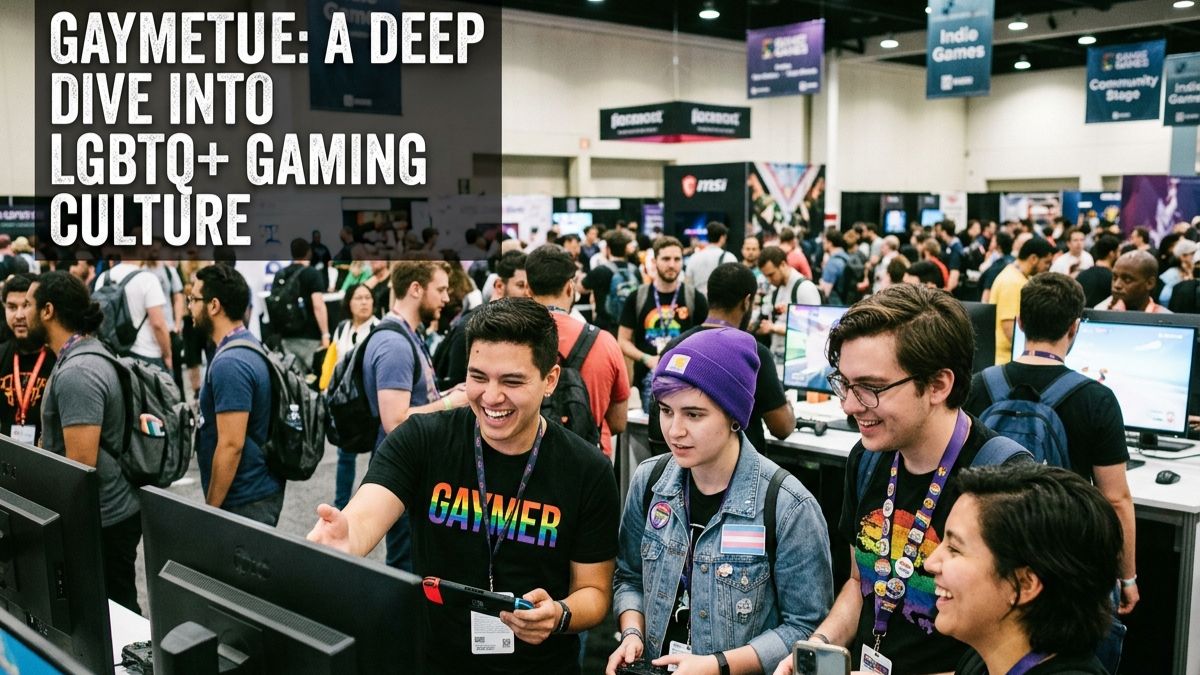
Welcome to the vibrant world of Gaymetu e, a rich tapestry woven from the experiences and stories of LGBTQ+ gamers. As gaming continues to push boundaries and redefine culture, this community has emerged as a powerful force within it. From pixelated heroes to immersive narrative-driven adventures, representation matters now more than ever. Join us on this journey through history, current trends, and the transformative impact of LGBTQ+ inclusion in gaming. Whether you’re an avid gamer or simply curious about how these voices have shaped the industry, there’s something here for everyone. Let’s dive into the heart of LGBTQ+ gaming culture together!
History and evolution of LGBTQ+ representation in video games
The journey of LGBTQ+ representation in video games began quietly. Early titles often sidelined queer characters, if they appeared at all. When they did show up, it was usually through stereotypes or caricatures. As the industry grew, so did awareness. The 1990s introduced more nuanced portrayals. Games like “Final Fantasy VII” hinted at same-sex relationships without overtly addressing them.
The early 2000s marked a turning point. Titles such as “Gone Home” and “The Last of Us” featured authentic LGBTQ+ stories and characters that resonated deeply with players. Gaymetu e In recent years, we’ve seen an explosion of diverse voices in gaming. Developers are now creating rich narratives that celebrate queer identities, reflecting the vibrant diversity of real life. This evolution is not just about visibility but also about validation—creating spaces where everyone can see themselves represented on screen.
Current state of LGBTQ+ representation in the gaming industry
The current landscape of LGBTQ+ representation in gaming is more vibrant than ever. Major studios are starting to embrace diverse narratives and characters, showcasing a broader spectrum of identities. From beloved AAA titles to indie gems, gamers can now find characters who reflect their experiences. Games like “The Last of Us Part II” and “Life is Strange” have made significant strides, featuring queer protagonists and authentic storylines.
However, challenges remain. While progress has been made, many smaller developers still struggle with resources for inclusive storytelling. Representation can feel tokenistic if not handled thoughtfully. Community-driven games are also paving the way for inclusivity. Platforms like Twitch foster spaces where players celebrate their identities openly while sharing gameplay experiences. As awareness grows within the industry and among players, there’s hope that future releases will continue this positive trend toward genuine representation in gaming culture.
Impact of LGBTQ+ representation on players and communities
LGBTQ+ representation in gaming has a profound impact on players and communities. It fosters a sense of belonging, allowing individuals to see themselves reflected in the stories they play. Gaymetu e When characters embody diverse identities, it normalizes these experiences. Players feel validated when they encounter narratives that resonate with their own lives. This visibility can enhance emotional connections to games.
Moreover, inclusive gaming communities often cultivate empathy among players. Exposure to various perspectives encourages understanding and acceptance, breaking down barriers between different groups. Game developers also benefit from this trend as audiences grow increasingly supportive of diversity. Titles featuring LGBTQ+ themes often attract attention and spark conversations around identity and acceptance within broader society. The ripple effects extend beyond screens; they influence how gamers perceive each other in real life too. Embracing representation can transform not only individual experiences but entire communities as well.
Challenges faced by LGBTQ+ gamers
LGBTQ+ gamers often navigate a complex landscape filled with unique challenges. One major hurdle is the pervasive presence of discrimination and harassment within online gaming communities. This negativity can make gameplay feel unsafe for many. Additionally, representation in games still lags behind expectations. Characters that reflect diverse sexual orientations or gender identities are often underdeveloped or stereotypical. This lack of authenticity can alienate players who seek connection through their avatars.
Another concern is the pressure to conform to societal norms within gaming spaces. Many LGBTQ+ individuals may avoid sharing their identity due to fear of backlash or ostracization from peers. Moreover, mental health struggles can be amplified by these experiences. Gaymetu e The combination of external pressures and internal conflict creates an environment where support systems become crucial, yet they are sometimes hard to find amidst toxicity in gaming forums and platforms.
The rise of LGBTQ+ inclusive games
The landscape of gaming is evolving. LGBTQ+ inclusive games are at the forefront of this transformation. More developers are recognizing the importance of representation. Titles like “Life is Strange” and “The Last of Us Part II” have paved the way, showcasing authentic LGBTQ+ characters and narratives. These stories resonate deeply with players, creating a sense of belonging. Indie games also play a vital role in this movement. Developers often push boundaries, exploring themes that mainstream titles might overlook. Games such as “A Short Hike” or “Dream Daddy: A Dad Dating Simulator” highlight diverse experiences while fostering community connections.
This shift reflects broader societal changes too. As acceptance grows within culture, so does its influence on gaming. Players crave authenticity; they want to see themselves reflected in their virtual worlds. With each new release embracing inclusivity, the future looks bright for LGBTQ+ gamers seeking genuine representation.
Resources and support for LGBTQ+ gamers
For LGBTQ+ gamers, finding a supportive community is crucial. Several organizations and groups focus on creating safe spaces for individuals to connect and share their experiences. Platforms like Queerly Gaming and GaymerX provide resources, events, and forums tailored specifically for queer players. Online multiplayer games often have dedicated communities where inclusivity thrives. Websites like Discord host numerous servers where LGBTQ+ folks can join discussions or play together in a welcoming environment.
Additionally, many streamers on platforms such as Twitch actively promote LGBTQ+ content. They create an inviting atmosphere by highlighting inclusive gaming practices while encouraging conversations about identity. Social media channels offer great opportunities for support networks. Following hashtags related to LGBTQ+ gaming can lead you to discover new friends who share your interests. Finding your tribe is just a click away in this vibrant digital landscape.
Conclusion:
The journey of LGBTQ+ gaming culture, encapsulated in the term Gaymetu e, reflects significant progress and ongoing challenges. As representation evolves, players find more diverse characters and stories that resonate with their identities. This shift not only enhances individual experiences but also fosters community connections.
While strides have been made, obstacles remain for many LGBTQ+ gamers. The need for inclusive spaces is still pressing. Yet, the emergence of games designed with inclusivity in mind offers hope and a platform for voices that were once marginalized.
Resources available today provide support and solidarity to those navigating this dynamic landscape. Online communities thrive as safe havens where gamers can share experiences openly.