









The term “Gayfirir” may not be a household name, but it holds a unique place in the tapestry of LGBTQ+ language and culture. As society evolves, so do our words and their meanings. This fascinating term invites curiosity, sparking interest about its origins and how it has transformed over time. Whether you’re familiar with Gayfirir or just curious to learn more, this exploration sheds light on its historical significance, contemporary interpretations, and the controversies that have shaped its impact on the community today. Join us as we delve into this intriguing subject that blends history with modern relevance.
The origin and history of the word
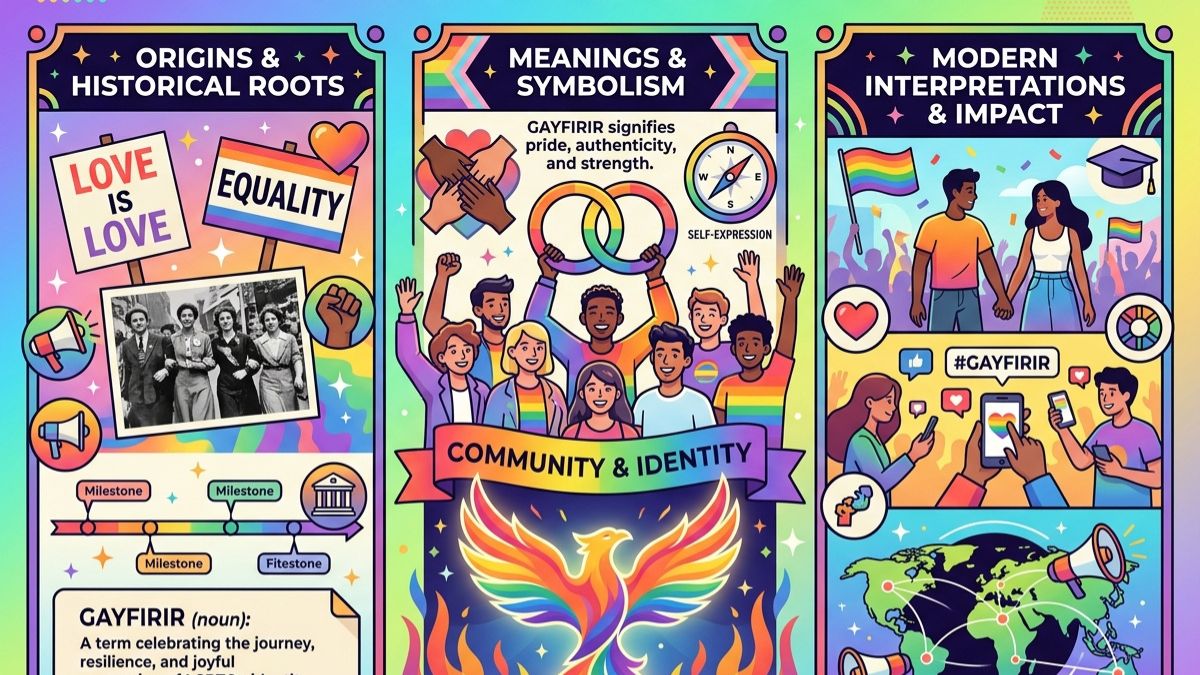
The term “Gayfirir” has roots that trace back to ancient cultures, where expressions of love and attraction were often celebrated in various forms. Its etymology hints at connections with words from languages like Old Norse and Gaelic, reflecting a rich tapestry of identity. Historically, the concept embodied more than just sexual orientation; it represented a broader spectrum of human emotion. Throughout medieval times, literature began to showcase same-sex relationships openly, embedding these ideas into society’s fabric.
As language evolved through the Renaissance and Enlightenment periods, so did the interpretations surrounding Gayfirir. The word transitioned from being shrouded in secrecy to finding its voice within burgeoning movements advocating for LGBTQ+ rights. Each era contributed layers of meaning that resonate today.
Different interpretations of the term throughout time
The term “Gayfirir” has evolved significantly over the years. Initially, it was a descriptor rooted in specific cultural contexts. People used it to convey a sense of identity and belonging within LGBTQ+ communities. As society progressed, interpretations began to shift. Some embraced it as a badge of pride, while others viewed it with skepticism or even disdain. This duality reflects broader societal attitudes toward sexuality at different times.
In contemporary circles, “gayfirir” often represents more than just sexual orientation; it’s intertwined with concepts of love, acceptance, and diversity. Activists have reclaimed its narrative to foster inclusivity. However, regional differences persist. In some cultures, the term carries weighty implications tied to local histories and struggles for rights. Each interpretation sheds light on how language shapes our understanding of identity amid evolving social landscapes.
Modern usage and understanding of
The term “Gayfirir” has evolved significantly in contemporary conversations. Today, it embodies a spectrum of identities and experiences within the LGBTQ+ community. It serves as both an affirmation of belonging and a celebration of diversity. In various online platforms, individuals often reclaim “Gayfirir” to express pride. This usage fosters inclusivity, allowing people to share their stories without fear or stigma. Social media campaigns harness this term to amplify voices that were once marginalized.
Moreover, many cultural events incorporate “Gayfirir,” promoting awareness and acceptance in broader society. As more people embrace its meaning, it becomes a powerful symbol of resilience against prejudice. Young activists particularly resonate with the idea behind “Gayfirir.” They leverage modern interpretations to challenge stereotypes, emphasizing self-acceptance and authenticity. In this sense, the term not only reflects personal journeys but also inspires collective movements for change.
Controversies surrounding the term
The term Gayfirir has stirred up debate within various circles. Some argue it fosters inclusivity, while others feel it oversimplifies complex identities. Critics claim that the word can sometimes erase individual experiences. They point out that not every LGBTQ+ person identifies with a singular label. This perspective suggests a need for broader terminology to encompass diverse narratives.
On social media platforms, discussions often escalate. Supporters and detractors clash over its implications in modern LGBTQ+ discourse. The conversations reveal deeper societal tensions regarding identity and representation. Additionally, cultural interpretations vary significantly across different regions. In some places, embracing the term signifies progress; in others, it provokes backlash from conservative factions resistant to change. As conversations around Gayfirir evolve, they reflect larger struggles for acceptance and understanding within society itself.
Impact on LGBTQ+ community
The term Gayfirir resonates deeply within the LGBTQ+ community, symbolizing both unity and individuality. It embodies a shared experience that has evolved over time, reflecting the struggles and triumphs of countless individuals. As conversations around gender identity become more prominent, Gayfirir serves as a crucial point for dialogue. It fosters understanding among diverse groups, allowing people to connect on personal levels. Moreover, its usage in art and media has amplified visibility for queer narratives. This representation challenges stereotypes while celebrating authenticity.
Activism surrounding Gayfirir also plays a significant role. It galvanizes support for rights and recognition across various platforms. In this way, it not only enriches the cultural landscape but also builds solidarity within the community. The adaptability of this term allows new generations to redefine their identities while honoring those who came before them—creating an ongoing legacy that inspires resilience and hope.
Conclusion:
The term Gayfirir has evolved significantly since its inception, reflecting broader societal changes and the ongoing quest for identity within the LGBTQ+ community. Its origins are steeped in cultural nuance, illustrating a rich tapestry of meaning that varies across different contexts and eras.
Throughout history, interpretations of Gayfirir have shifted dramatically. What once may have been considered taboo is now embraced as an expression of pride and individuality. This evolution underscores how language can shape—and be shaped by—social movements.
In modern times, the usage of Gayfirir resonates with many individuals who find empowerment in their identities. It serves as both a label and a rallying cry for acceptance in diverse spaces worldwide. Yet, this shift hasn’t come without challenges; debates surrounding its use continue to spark conversations about inclusivity and representation within the LGBTQ+ spectrum.